TL;DR

Get beauty and skincare favorites delivered free — and shop member deals
- Fast, free delivery on millions of items
- Access to Prime Big Deal Days deals on October 6–7
- Prime Video, Amazon Music and more included
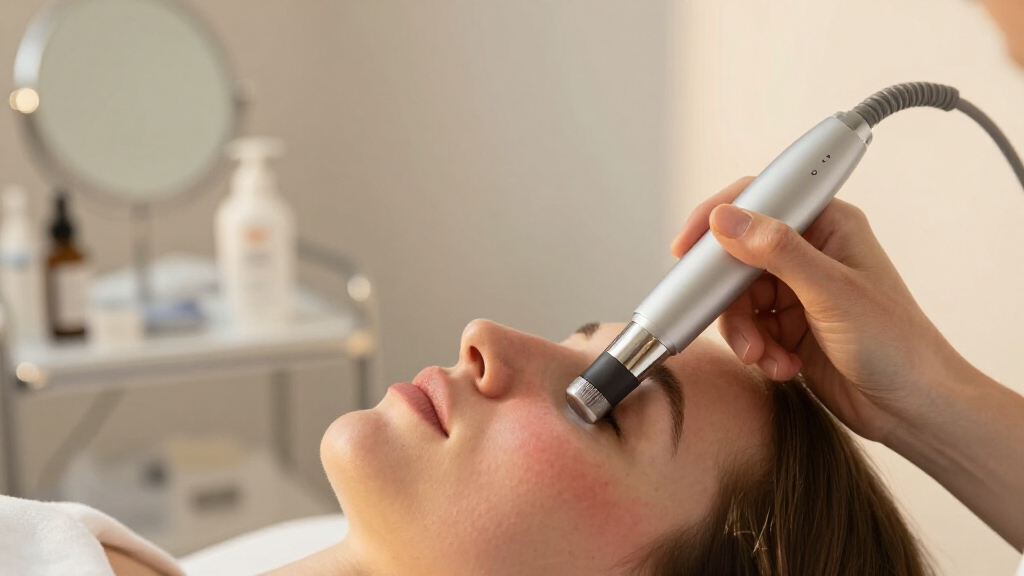
Microcurrent devices can be safe for sensitive or rosacea-prone skin if used properly. Key steps include choosing gentle devices, performing patch tests, starting with low intensity, and applying soothing post-treatment skincare. Always consult a dermatologist for personalized advice.
Microcurrent devices are gaining popularity for their ability to improve skin tone, firmness, and glow. But if your skin is sensitive or prone to rosacea, the thought of introducing electrical stimulation might feel intimidating. You wonder: can I use these tools without triggering redness or flare-ups? The good news: with careful steps, microcurrent can be safe—and even beneficial—for your delicate skin. This guide walks you through practical, evidence-based tips to protect your skin while harnessing microcurrent’s potential.
Think of microcurrent as a gentle nudge to your skin’s natural vitality. When used correctly, it can support skin firmness and circulation without the harsh side effects often linked to more aggressive treatments. Let’s explore how to make it work safely for your unique skin needs.
Always perform a patch test before starting microcurrent treatments on sensitive skin.
Start with the lowest device settings—gradually increase only if your skin tolerates it well.
Choose devices with adjustable intensity and safety features designed for delicate skin.
Limit treatment frequency to once a week or less to prevent irritation.
Post-treatment, favor calming, fragrance-free skincare and sun protection to support skin recovery.
What Makes Microcurrent Safe (or Risky) for Sensitive and Rosacea Skin?
Microcurrent devices emit tiny electrical pulses designed to stimulate facial muscles and collagen. For most, this feels like a mild tingling or warmth. But sensitive and rosacea-prone skin reacts differently. The risk? Overstimulation or improper settings can cause redness, irritation, or even flare-ups.
Research indicates that when used with care—like choosing devices with adjustable intensity and avoiding overuse—microcurrent remains safe for delicate skin. It’s all about controlling the power and respecting your skin’s limits. For example, a device with multiple intensity levels allows you to start low and gradually find your comfort zone.
Understanding why this matters: overstimulation can compromise the skin barrier, leading to increased sensitivity, persistent redness, or even triggering rosacea flare-ups. Conversely, carefully calibrated microcurrent can promote lymphatic drainage, boost circulation, and stimulate collagen production—all without overwhelming sensitive skin. The key tradeoff is patience: going slow and listening to your skin’s signals often yields better, safer results than aggressive treatments.
microcurrent device for sensitive skin
As an affiliate, we earn on qualifying purchases.
As an affiliate, we earn on qualifying purchases.
How to Pick the Right Microcurrent Device for Sensitive Skin
- Look for FDA-approved or dermatologist-recommended devices—these are tested for safety and efficacy. Choosing reputable brands reduces the risk of malfunction or overly aggressive settings that could harm your skin.
- Choose models with adjustable intensity settings—your skin needs gentle, not aggressive, stimulation. Being able to control the power allows you to tailor treatments to your skin’s tolerance, minimizing irritation.
- Opt for devices with pulse modulation or gentle modes specifically labeled for sensitive skin. These features help deliver a more controlled, soothing stimulation, reducing the likelihood of overstimulating delicate skin.
- Check reviews and user feedback from those with sensitive or rosacea skin. Real-world experiences can reveal how well a device performs in gentle applications and whether it’s suitable for your skin type.
For instance, BellaPiu recommends devices like the Microcurrent Facial Device XYZ, priced around $150-$250, which offers five adjustable levels and a soothing pulsation mode. Investing in quality helps you avoid the risks of cheap, unregulated tools. Remember, a well-chosen device isn’t just about convenience—it’s about safeguarding your skin’s health and ensuring a positive experience.
Choosing the right device is a foundational step because it directly impacts how safely and effectively you can treat sensitive skin. A device with poor controls or untested safety features might cause more harm than good, leading to setbacks rather than benefits.
adjustable microcurrent facial device
As an affiliate, we earn on qualifying purchases.
As an affiliate, we earn on qualifying purchases.
Step-by-Step: Safely Incorporate Microcurrent into Your Routine
- Cleanse your skin thoroughly with a gentle, fragrance-free cleanser—no harsh scrubs or irritants. Proper cleansing ensures no debris or irritants interfere with microcurrent and reduces the risk of irritation during treatment.
- Perform a patch test: Apply a small amount of gel or serum on your jawline or behind your ear, then wait 24-48 hours. Watch for redness or irritation. This step is crucial because sensitive skin can react unpredictably; early detection prevents full-face reactions and helps you gauge your skin’s tolerance.
- Start with the lowest setting on your device. Use it for just 5-10 minutes—less is more. Beginning slowly allows your skin to acclimate to the stimulation, reducing the risk of overstimulation or irritation.
- Keep the device moving gently across your face, avoiding sensitive areas like the eyes or broken skin. Gentle movement ensures even stimulation without concentrating electrical pulses on delicate areas, which could cause discomfort or damage.
- After treatment, apply a soothing, fragrance-free moisturizer—think aloe vera or ceramide-rich creams. This step helps reinforce your skin’s barrier, calming any mild redness or warmth and supporting recovery.
- Shield your skin from sun exposure and always wear SPF afterward. Sensitive skin is more prone to UV damage, which can exacerbate redness or cause further irritation. Proper sun protection is essential to maintain your skin’s health and prevent flare-ups.
For example, a user with rosacea reported that starting with 5-minute sessions at the lowest setting, once a week, kept redness minimal while boosting skin brightness. The key is consistency and patience; over time, your skin may tolerate longer or more frequent treatments, but always stay attentive to its signals.
AmazonAs an affiliate, we earn on qualifying purchases.
Monitoring Your Skin’s Response & Adjusting Use
Always pay attention to how your skin reacts during and after treatment. Redness, warmth, or tingling are normal, but persistent irritation or increased redness signal you need to dial back. Understanding these signals helps prevent setbacks and ensures your skin remains healthy.
If irritation occurs, immediately stop treatments, apply calming products, and give your skin a break for a few days. Resume cautiously when your skin feels stable. Recognizing early signs of overreaction allows you to adapt your routine quickly, minimizing discomfort and damage.
Keep a skincare journal—note your device settings, duration, and skin response. Over time, you’ll learn what your skin tolerates best, creating a personalized treatment approach that maximizes benefits while minimizing risks. This record can also help you identify patterns or triggers that may exacerbate sensitivity or rosacea.
According to BellaPiu, gentle adjustments and patience are key. Microcurrent is a marathon, not a sprint, especially with sensitive skin. Respecting your skin’s limits and progressing gradually ensures sustainable, safe improvements over time.
AmazonAs an affiliate, we earn on qualifying purchases.
Post-Treatment Care to Keep Skin Calm and Happy
After microcurrent sessions, your skin needs extra kindness. Use soothing products free from fragrances, alcohol, or irritating ingredients. Think calming aloe, ceramide creams, or anti-inflammatory serums. These help reinforce your skin barrier, reduce any residual redness, and support healing processes initiated by microcurrent.
Always apply a broad-spectrum SPF—sensitive skin is more prone to sun damage. Protecting your skin prevents redness and prolongs results. Sun exposure can also trigger rosacea flare-ups or exacerbate existing redness, so diligent sun protection is crucial.
For example, a routine might include a gentle cleanser, a calming serum, and a mineral-based SPF. This simple setup helps your skin recover and stay balanced, preventing unnecessary irritation or redness. Consistent post-care maximizes the benefits of microcurrent and helps maintain a calm, resilient complexion.
What Experts Say About Microcurrent and Sensitive Skin
Experts agree that microcurrent can be safe for sensitive skin if used with caution. Devices with adjustable settings and safety features help prevent overstimulation. Many dermatologists recommend starting with professional guidance, especially for rosacea sufferers. This approach ensures you receive personalized advice and reduces the risk of adverse reactions.
According to an anonymous BellaPiu researcher, “Gentle, slow introduction combined with patch testing offers the best chance to enjoy microcurrent benefits without irritation.” This advice underscores the importance of patience and gradual exposure, particularly for delicate or reactive skin types.
Emerging studies also suggest that when used properly, microcurrent can support skin health without triggering flare-ups—yet individual results vary. The key is understanding your skin’s unique sensitivities and working with professionals when possible to tailor treatments accordingly.
Common Questions About Microcurrent and Sensitive Skin
Q1: Is microcurrent safe for rosacea or highly sensitive skin?
A: When used with caution—low settings, patch tests, and professional advice—it can be safe. But it’s essential to observe your skin’s reactions and adjust accordingly, as individual sensitivities vary widely.Q2: How do I know if my skin can tolerate microcurrent?
A: Performing a patch test and starting with the lowest setting are crucial. Monitor your skin for 48 hours after the test. No adverse reaction indicates a good tolerance baseline, but always proceed gradually.Q3: What precautions should I take?
A: Avoid irritating skincare products before treatment, use gentle products afterward, and protect your skin from sun exposure. These steps help minimize the risk of irritation and support skin resilience.Q4: Can I use it daily?
A: For sensitive or rosacea skin, limiting to once a week or less is recommended. Overuse can lead to overstimulation and irritation, so always listen to your skin’s signals.Q5: Are there recommended devices for sensitive skin?
A: Yes—look for adjustable, gentle pulse devices approved by dermatologists. Prioritize those with safety features and positive user feedback from sensitive skin users to ensure a gentle, controlled experience.Conclusion
Microcurrent can be a gentle ally for sensitive or rosacea-prone skin—if you respect its limits. Prioritize slow starts, listen closely to your skin’s signals, and always protect afterward. Your skin’s natural balance is delicate; treat it with patience and care.
Think of microcurrent as a whisper to your skin—respect its tone, and it will respond with radiant, resilient health.
Wellness content on this site is informational and not a substitute for professional medical guidance.FALL Fall Picks
fall essentialsfall essentials
As an affiliate, we earn on qualifying purchases.